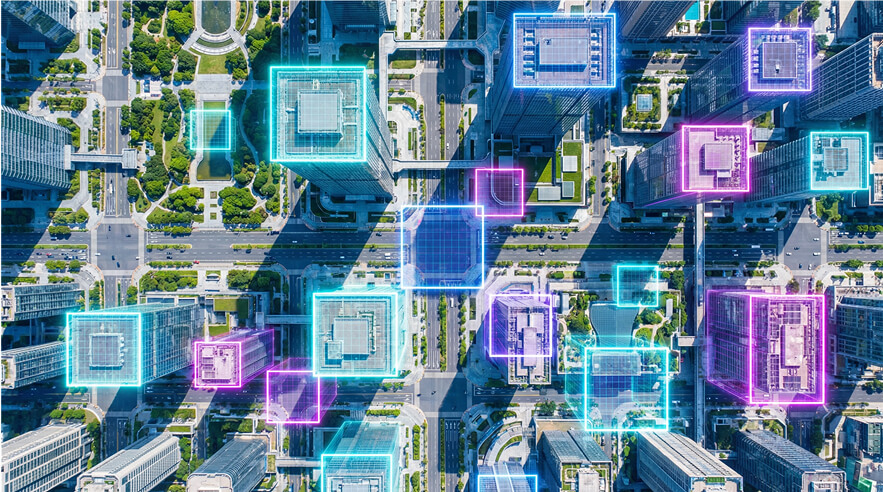
Over the past few years, the idea of digital land has started to appear more often in conversations about technology, advertising, and the future of the internet. For some people it sounds abstract or confusing. For others, it feels like a natural next step in how digital spaces evolve.
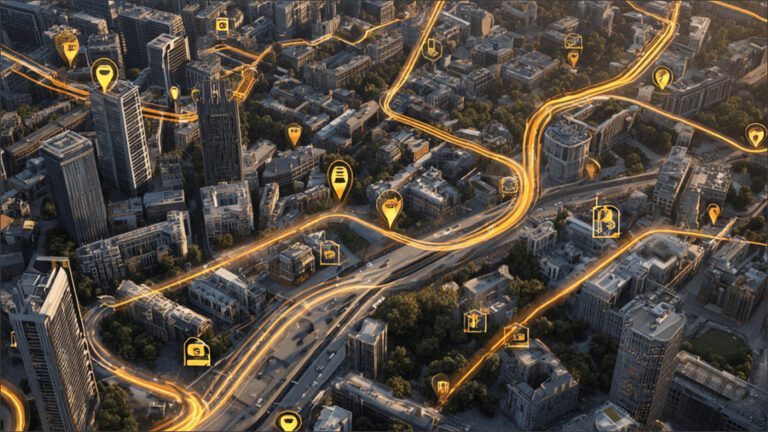
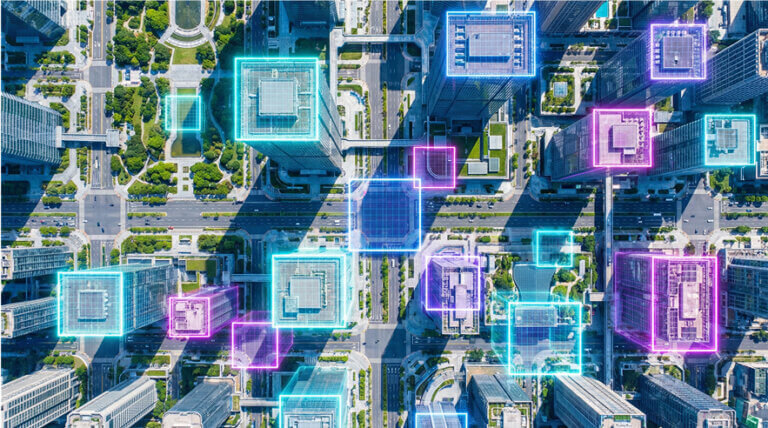
At its core, digital land is about ownership. It represents defined pieces of digital space that are tied to real world locations, rather than existing only inside games or closed virtual worlds. This connection to the physical world is what makes digital land different.
Digital land versus virtual worlds
When people hear the term digital land, they often think of virtual worlds or metaverses. These environments usually share a few common traits:
• They exist inside a closed platform
• Land only has value if people choose to enter that world
• The platform owner ultimately controls the environment
Digital land works differently. Instead of asking people to step into a new world, it connects digital ownership to places that already exist. Streets, landmarks, neighbourhoods, and public spaces become reference points for digital space.
Why location still matters
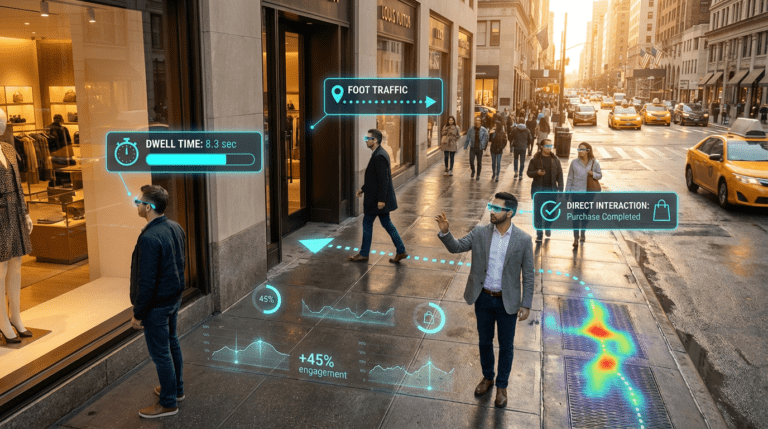
Even in a highly digital world, location has not lost its importance. People still live, work, travel, and gather in physical places. Businesses still depend on where customers are, not just who they are.
Digital land reflects this reality by anchoring digital presence to geography. The value comes from real locations and real human movement, not from attracting attention into a separate digital environment.
What digital land can be used for today
Today, digital land can be used to establish a digital presence connected to a specific place. This may include:
• Displaying information tied to a location
• Linking to a website, project, or brand
• Claiming ownership of digital space associated with a real place
The key idea is that ownership comes first. Utility builds over time. As technology evolves, the same owned locations can support richer uses without changing who owns them.
Why interest is growing
Interest in digital land is growing because it sits at the intersection of several long term trends:
• Increased comfort with digital ownership
• Advertising moving beyond traditional screens
• Technology enabling closer links between digital and physical space
Rather than replacing the real world, digital land adds a layer to it. That makes it appealing to people thinking beyond short lived trends.