Advertising has always followed attention. From painted signs to roadside billboards and digital screens, each shift reflects how and where people spend their time.
Today, advertising is entering another transition. One that moves beyond fixed structures and screen based placements, toward digital visibility tied directly to real world locations.
The limits of physical billboards
Physical billboards have worked for decades because they sit in places with natural visibility. Busy roads, transport hubs, and city centres naturally attract attention.
At the same time, they come with clear limitations:
• High build and maintenance costs
• Zoning and permit restrictions
• Fixed size and format
• Limited ability to update or personalise content
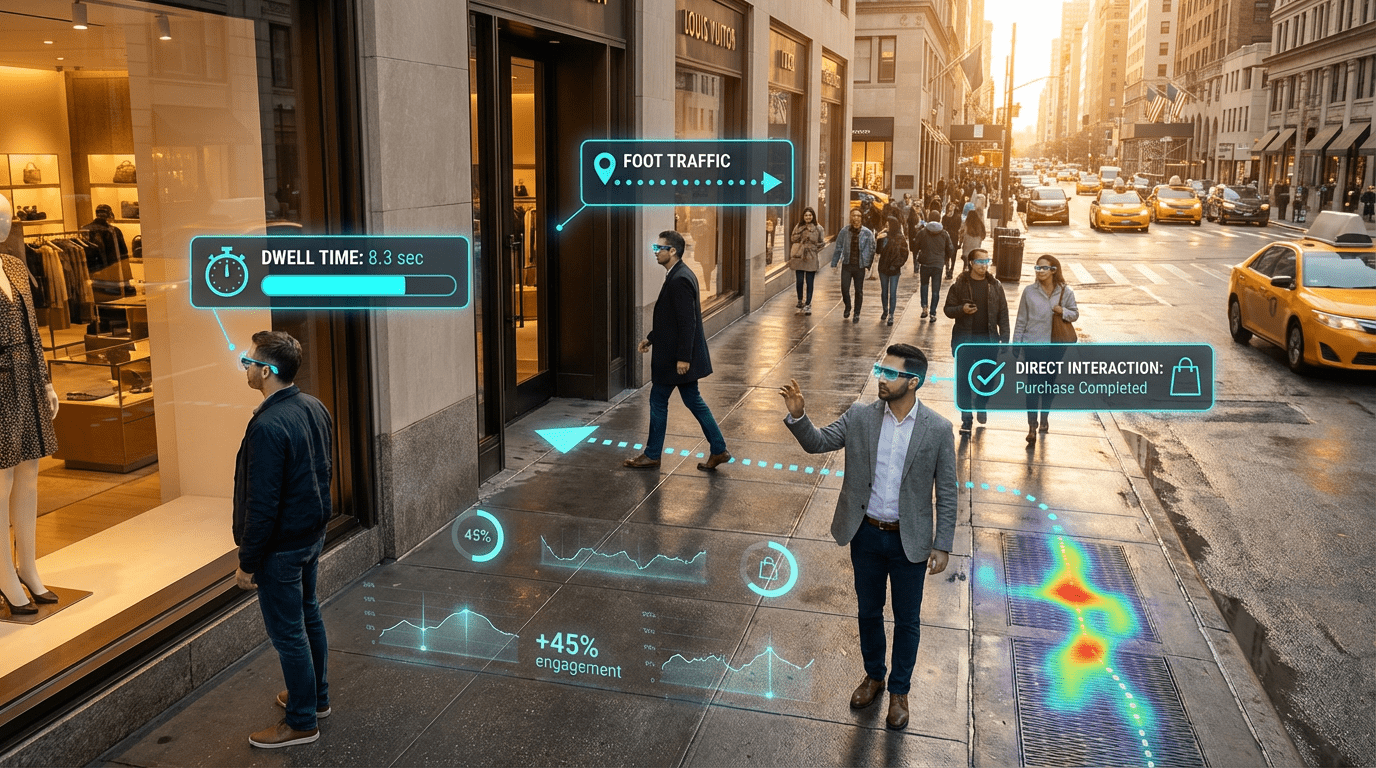
• Measurement based largely on estimates
These constraints shape what outdoor advertising can do.
The rise of digital advertising and its trade offs
Digital advertising removed many of these barriers. Ads could be launched quickly, updated instantly, and measured in detail. Brands gained access to global audiences through feeds, search, and websites.
But something was lost along the way. Advertising became detached from place. Ads appeared regardless of where someone actually was, leading to:
• Reduced relevance
• Fragmented attention
• Increased ad fatigue
This is where a new approach begins to emerge.
Advertising tied to place, not just screens
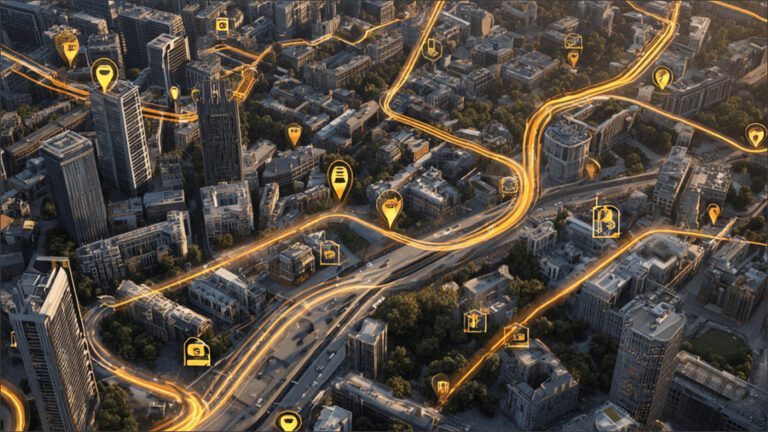
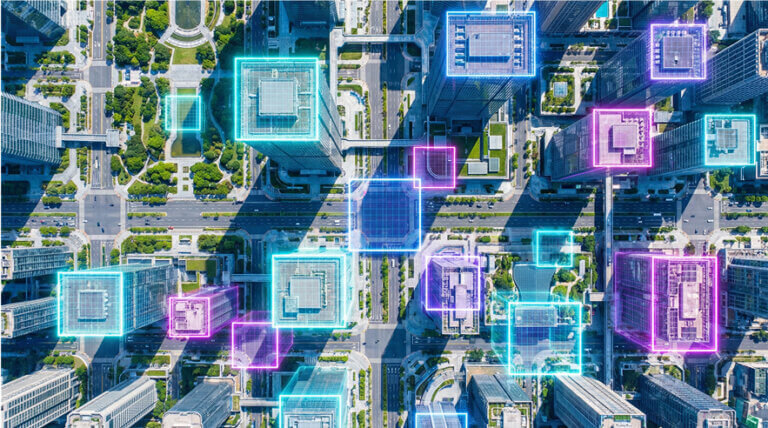
Location based digital advertising reconnects digital visibility with physical space. Instead of competing inside crowded feeds, advertising is associated with specific places in the real world.
This approach offers a different structure:
• Advertising inventory defined by geography
• Visibility linked to where people already are
• Digital flexibility without physical infrastructure
The location itself becomes the anchor.
Why this shift matters
When advertising is tied to place, context becomes part of the message. A restaurant, venue, or brand is associated with a physical environment, not just a demographic profile.
It also changes how value is created. Instead of unlimited digital placements, inventory is naturally constrained by location. Scarcity comes from geography, not algorithms.
Looking forward
Advertising is not abandoning physical space or digital platforms. It is blending the two. As technology continues to evolve, digital advertising tied to real world locations will become more practical, measurable, and adaptable.
This shift is not about replacing billboards or screens. It is about extending advertising into a digital layer that sits over the physical world.